Portugal is often described as one of Europe's safest and most welcoming countries. For many newcomers, this is one of the main reasons the country stands out as a relocation, retirement and investment destination. Howev

Portugal is often described as one of Europe's safest and most welcoming countries. For many newcomers, this is one of the main reasons the country stands out as a relocation, retirement and investment destination.
However, safety should be understood realistically. Portugal has low crime levels compared with many other destinations, but newcomers should still be aware of petty theft, tourist-area risks, road safety, emergency procedures and regional differences.
In this guide, we explain how safe Portugal is for newcomers, what risks foreign residents should know about and how to prepare for a secure and comfortable move.
Safety conditions, travel guidance and local regulations may change over time.
Yes. Portugal is generally considered a safe country for residents, visitors and families.
The country is known for its peaceful lifestyle, low levels of serious crime and stable social environment. Many foreign residents choose Portugal because they feel comfortable walking in residential areas, using public transportation and enjoying daily life with fewer security concerns than in many larger international cities.
Portugal also continues to perform well in international safety and peace rankings, which reinforces its reputation as a secure destination for newcomers.
Lisbon is generally considered safe, especially compared with many other European capitals.
However, because it is Portugal's largest city and a major tourism hub, petty crime can occur in crowded areas. Newcomers should be careful around popular tourist routes, public transport, nightlife areas and busy viewpoints.
For residents, many Lisbon neighbourhoods offer a comfortable lifestyle with good transport links, international services and access to healthcare, schools and business opportunities.
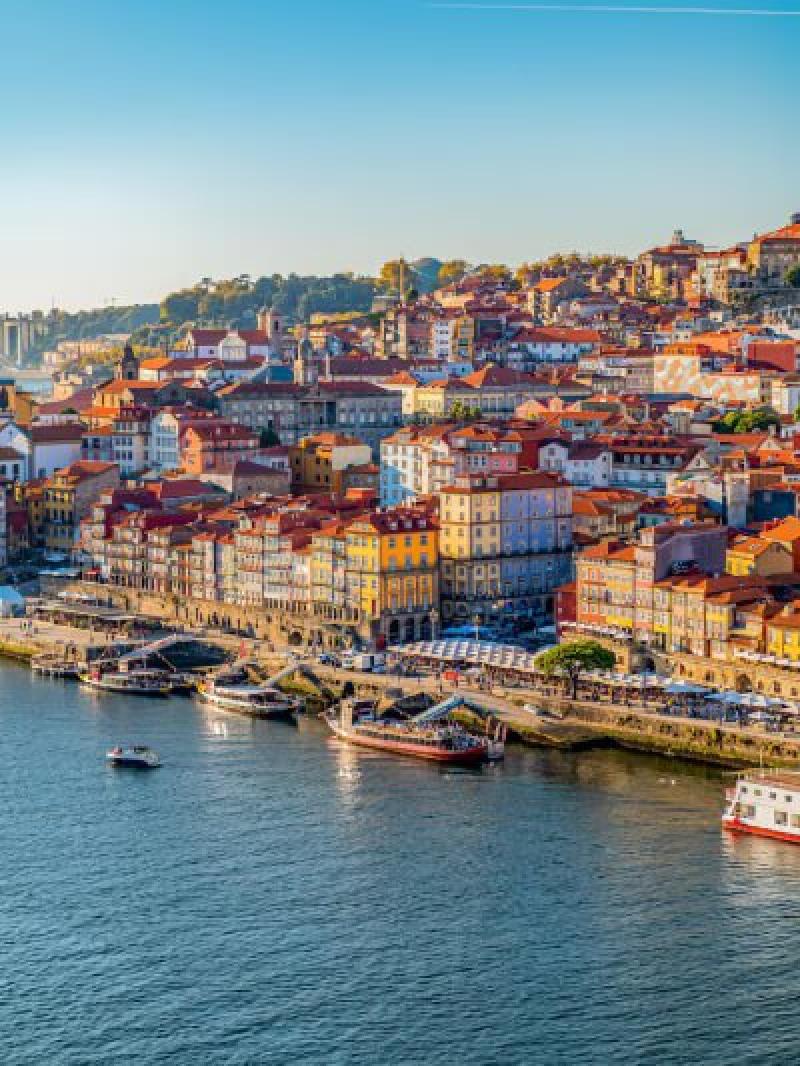
Porto is also generally safe and popular with newcomers.
As with Lisbon, most safety concerns relate to petty theft in busy central areas rather than serious crime. New residents should take care in crowded streets, public transport areas and tourist zones.
Porto can be a good option for newcomers who want city life, culture and international connectivity, often with a slightly different pace from Lisbon.
The Algarve is one of Portugal's most popular regions for retirees, families and international residents.
It is generally considered safe and has a strong expatriate community. However, because the Algarve receives many tourists, petty crime can occur in beaches, car parks, nightlife areas and popular resort towns.
Newcomers should avoid leaving valuables in cars, especially near beaches and tourist attractions.
Portugal is widely considered a family-friendly country.
Many international families are attracted by the country's relaxed lifestyle, public spaces, coastal towns and sense of community. Children are generally welcomed in restaurants, parks and everyday social settings.
Families should still consider practical safety matters such as choosing the right neighbourhood, understanding school routes, knowing emergency numbers and checking healthcare access before relocating.
Portugal is one of the most popular retirement destinations in Europe partly because of its safety.
Retirees often value the country's peaceful environment, slower pace of life, walkable towns and access to healthcare. Many areas also have established international communities, which can make the transition easier.
However, retirees should still be careful with personal belongings in tourist areas and should prepare for healthcare, transport and emergency planning before moving.
Driving in Portugal is generally manageable, but newcomers should take time to understand local road habits and regional conditions.
Narrow streets, steep roads, rural routes and unfamiliar traffic patterns can be challenging for new arrivals. Parking areas near beaches and tourist sites may also attract thieves.
Newcomers who plan to drive should:
Portugal uses 112 as the main emergency number.
This number can be used for urgent police, medical or emergency assistance. Newcomers should keep this number saved and make sure family members also know it.
It is also advisable to keep copies of important documents, emergency contacts, health insurance information and local address details easily accessible.
Portugal is safe, but good preparation still matters.
Newcomers should consider the following:
These simple steps can help newcomers settle with greater confidence.
Although Portugal is safe overall, newcomers may still face practical challenges.
These may include:
These challenges do not make Portugal unsafe, but they should be part of a realistic relocation plan.
For many foreign residents, Portugal is a safe and comfortable place to live long term.
Its combination of low serious crime, peaceful communities, strong lifestyle appeal and international reputation makes it attractive for families, retirees, investors and remote workers.
However, safety should be considered alongside other relocation factors, including healthcare, housing, taxation, residence status and long-term financial planning.
Yes. Portugal is generally considered safe for foreigners, residents and visitors. The main risks are usually petty theft in crowded or tourist-heavy areas.
Violent crime is relatively uncommon compared with many other destinations. Most official travel advice focuses on petty crime, especially pickpocketing and theft.
Lisbon is generally safe, but newcomers should be careful in busy tourist areas, public transport and nightlife districts.
Yes. Portugal is widely considered family friendly, with a relaxed lifestyle, public spaces and many safe residential communities.
The main emergency number in Portugal is 112.
Capitals28 assists individuals and families considering residence and relocation opportunities in Portugal and across Europe.
Our team can help clients understand practical aspects of moving abroad, including residence planning, documentation requirements, location selection and long-term relocation considerations. We can also coordinate with licensed legal, tax and other professionals where specialist advice is required.
Portugal can be a safe and attractive destination for newcomers, but successful relocation depends on careful planning. Understanding safety, healthcare, housing and residence requirements in advance can help create a smoother transition.