The year 2026 is shaping up to be one of the most transformative in the UAE’s regulatory landscape, with a wave of new policies affecting mobility, taxation, banking, compliance, and business operations. From the introduction of a Schengen-style GCC Unified Visa to mandatory e-invoicing penalties and sweeping environmental reforms, companies and residents alike will need to prepare for large-scale adjustments across multiple sectors.
One of the most impactful developments is the launch of the GCC Unified Visa, which will allow seamless travel across the UAE, Saudi Arabia, Qatar, Oman, Bahrain, and Kuwait under a single permit. Expected to significantly improve regional mobility, the visa will also reshape immigration advisory services, creating a strong demand for guidance on eligibility rules, documentation, and residency implications.
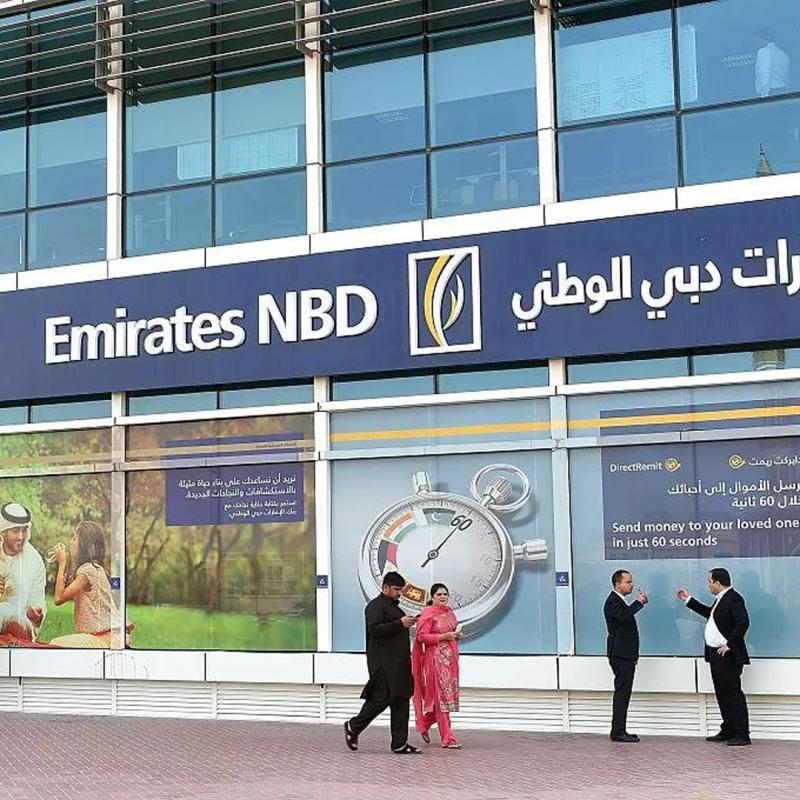
Another milestone reform involves the phase-out of SMS and email OTP codes by UAE banks. Starting March 2026, all authentication will shift exclusively to mobile banking apps, affecting new corporate accounts, business owners, and compliance frameworks. Financial institutions and advisory firms will need to update their onboarding processes to reflect the new security standard.
Taxation will also undergo major updates. Amendments to the UAE Tax Procedures Law, effective January 1, 2026, introduce stricter audit powers for the Federal Tax Authority, a fixed five-year limit for refund claims, and additional documentation expectations. Simultaneously, new VAT rules will tighten reverse-charge procedures, enforce strict refund deadlines, and introduce stronger anti-evasion measures—changes that will directly impact SMEs, free-zone entities, and large companies working with consultancy firms.
In parallel, businesses must prepare for mandatory UAE e-invoicing compliance, with penalties of up to AED 5,000 per violation starting July 2026. Additional sector-specific reforms include the introduction of a tiered sugar excise tax, requiring product reclassification for F&B and retail businesses, and the third phase of Dubai’s single-use plastic ban, which from January 1, 2026 prohibits plastic plates, cups, lids, food containers, and all disposable tableware.
The UAE’s migration system is also set for expansion with the launch of the Blue Residency Visa, a 10-year permit for sustainability and environmental specialists. This forms part of a broader digital overhaul of the country’s residency ecosystem, introducing simplified permits, streamlined renewals, and enhanced digital pathways.
Transport infrastructure will evolve as well, with two futuristic projects scheduled for rollout in 2026: the launch of the Etihad Rail passenger network, connecting key emirates, and the introduction of Dubai flying taxis, linking major hubs such as DXB Airport, Dubai Mall, Atlantis The Royal, and AUD. These mobility advancements will further strengthen the UAE’s appeal among global investors and long-term residents.